Sharks are often introduced through fear, but their real story is far more important and far more interesting. As some of the ocean’s most capable predators, sharks help keep marine ecosystems balanced, resilient, and productive. From South Africa’s kelp forests to tropical coral reefs and the open ocean, their presence tells us a great deal about the health of the sea.
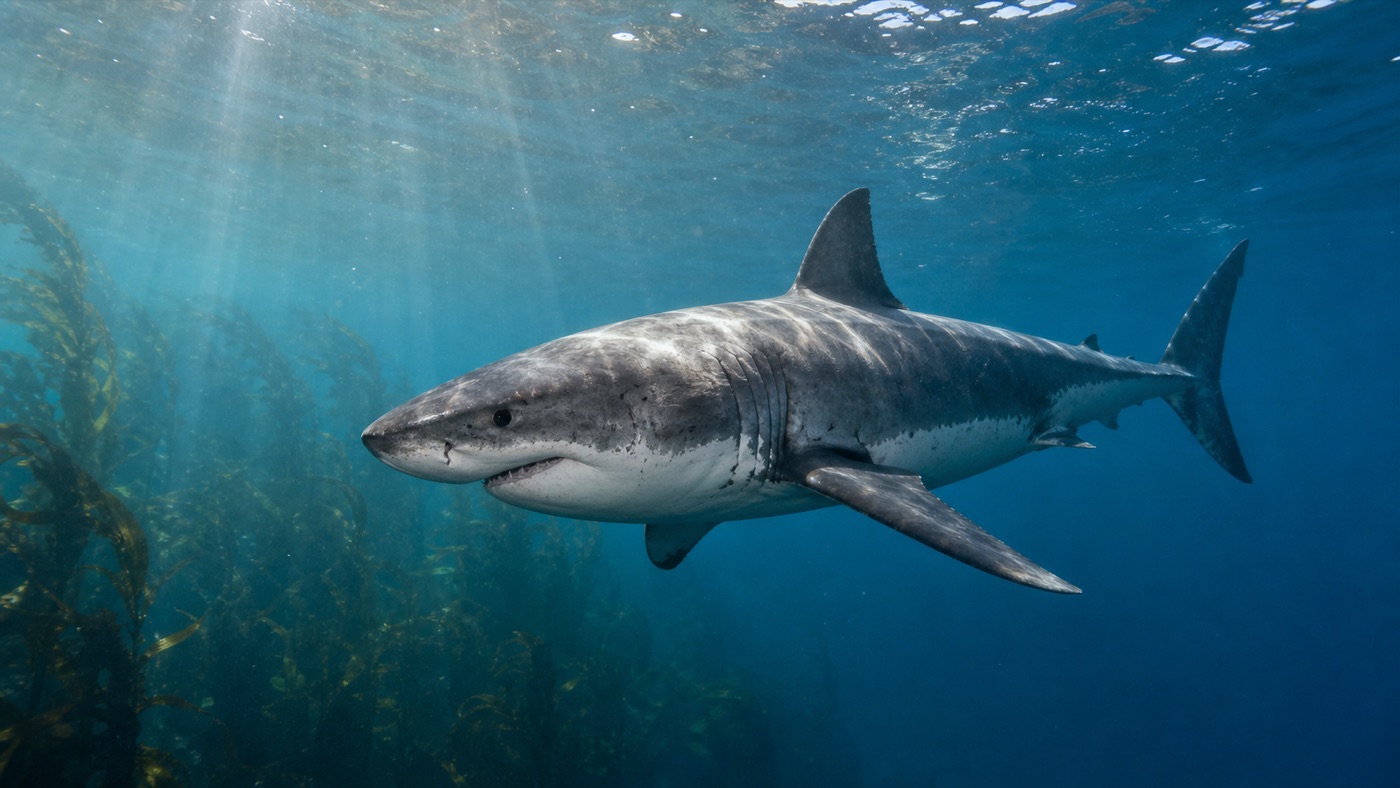
Sharks Keep Food Webs in Balance
Every ocean ecosystem is a network of relationships. Small fish feed on plankton, larger fish feed on smaller fish, seals and dolphins hunt in coastal waters, and scavengers recycle nutrients. Sharks influence this network from the top and middle of the food chain. By feeding on certain prey and changing how prey animals move, they help prevent any one species from becoming too dominant.
This balance matters. When predator numbers fall, prey populations can expand or shift their behaviour in ways that place extra pressure on reefs, seagrass beds, shellfish, and smaller fish. A healthy shark population helps keep that pressure in check.
They Remove Weak and Sick Animals
Sharks often target animals that are injured, old, slow, or sick. That role is important because it can reduce the spread of disease and keep prey populations stronger over time. In this way, sharks act as a natural health filter for the ocean.

Sharks Protect Habitats Indirectly
Sharks do not need to eat every animal to shape an ecosystem. Their presence alone can influence where prey species feed, rest, and gather. This is sometimes called the landscape of fear, and in the ocean it can help protect important habitats from being overgrazed or overused.
For example, when large predators are present, grazing animals may avoid spending too much time in one vulnerable area. That movement gives habitats such as seagrass meadows, reefs, and kelp forests a better chance to recover and support a wider variety of life.
They Support Biodiversity
Biodiversity is not just a nice idea. It is what makes ecosystems more stable when conditions change. Oceans face pressure from warming water, pollution, overfishing, habitat loss, and changing currents. The more diverse an ecosystem is, the better chance it has of adapting.
Sharks support biodiversity by helping maintain balanced food webs. When the top of the food chain is damaged, the effects can ripple through many levels below it. Protecting sharks helps protect the wider community of marine life that depends on stable ocean systems.

Sharks Are Valuable to Coastal Communities
For places like Cape Town, sharks are part of both the natural heritage and the visitor experience. Responsible shark diving gives people a close look at animals that are often misunderstood. When done with care, shark tourism can support conservation awareness, local jobs, and a stronger reason to keep marine ecosystems healthy.
The value of a living shark can extend far beyond one encounter. It can inspire education, research, marine protection, and a deeper respect for the ocean.
Protecting Sharks Protects the Ocean
Many shark species face serious threats, including overfishing, accidental bycatch, habitat degradation, and demand for shark products. Because sharks often grow slowly and produce relatively few young, depleted populations can take a long time to recover.
Protecting sharks means supporting better fisheries management, reducing bycatch, creating effective marine protected areas, and choosing tourism operators who respect wildlife. It also means changing the conversation. Sharks are not villains of the sea. They are essential animals in living, breathing ocean systems.
When sharks thrive, it is a sign that the ocean still has strength, balance, and wildness. Keeping them in the water is one of the clearest ways we can help protect healthy seas for the future.